 +1 6477167664





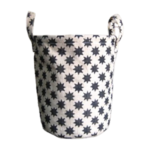




Businesses today have more choices than ever when selecting reusable packaging and promotional bags. Among the most popular options are jute bags and cotton bags, both valued for their practicality, attractive appearance, and versatility across different industries. Retail stores, fashion brands, gift shops, supermarkets, hospitality businesses, educational institutions, and corporate organizations frequently choose these bags to enhance customer experiences and strengthen brand visibility.
Although both materials offer excellent advantages, they differ in durability, appearance, texture, maintenance, customization possibilities, and commercial applications. Understanding these differences helps businesses select the option that best aligns with their branding goals, customer expectations, and everyday operational needs.
Rather than asking which material is universally better, businesses should consider which solution best supports their specific products, marketing objectives, and long-term packaging strategy.
Understanding Jute Bags
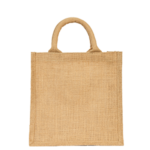
Jute bags are made from natural jute fiber, a material widely recognized for its strength and distinctive woven texture. Their structured design provides an attractive appearance that complements premium retail packaging, promotional events, conferences, gift presentations, and shopping applications.
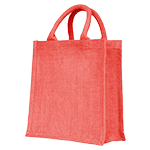
The natural finish of jute gives businesses an elegant and professional look while offering excellent durability for repeated everyday use. Jute bags are available in numerous sizes, handle styles, colors, laminated finishes, and customized printing options, allowing businesses to create packaging that reflects their unique identity.
Their sturdy construction makes them suitable for carrying heavier products while maintaining their shape over time.
Understanding Cotton Bags
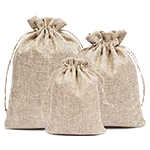
Cotton bags are manufactured using woven cotton fabric, resulting in a softer, lighter, and more flexible design. Their smooth surface makes them popular for promotional giveaways, exhibitions, bookstores, apparel packaging, and everyday shopping.
Cotton offers a comfortable carrying experience and is available in various fabric weights, colors, and printing options. Businesses often appreciate the clean appearance of cotton bags when creating minimalist promotional products or lifestyle merchandise.
Their lightweight construction makes them convenient for customers who prefer foldable bags that can be easily stored when not in use.
Durability Comparison
One of the most important differences between jute and cotton bags is durability.
Jute fibers naturally provide greater structural strength, allowing the bags to carry heavier products while maintaining their overall shape. This makes jute particularly suitable for grocery stores, retail shopping, gift packaging, conferences, exhibitions, and businesses that require dependable everyday performance.
Cotton bags also offer good durability for regular use but generally provide a softer structure. They perform well for lighter products and promotional applications where flexibility and comfort are priorities.
Businesses looking for long-lasting packaging often appreciate the solid construction that jute provides.
Appearance and Brand Presentation
Packaging significantly influences how customers perceive a business.
Jute bags create a premium, textured appearance that communicates craftsmanship, quality, and professionalism. Their woven finish naturally enhances printed logos and creates a distinctive presentation suitable for upscale retail environments.
Cotton bags deliver a cleaner and smoother appearance, making them attractive for simple branding, artistic prints, and modern promotional campaigns.
The choice ultimately depends on the company’s visual identity. Businesses seeking a structured and premium presentation often prefer jute, while those wanting a softer and more casual appearance may choose cotton.
Customization Opportunities
Both jute and cotton bags offer excellent branding possibilities.
Businesses can customize each material with logos, company names, promotional artwork, event graphics, product messaging, and corporate branding. Different printing techniques allow manufacturers to create attractive customized packaging that supports marketing objectives.
Jute bags can also include laminated interiors, reinforced handles, zipper closures, colored panels, and decorative trims that enhance both functionality and appearance.
Cotton bags provide flexibility for vibrant printing and creative artwork, making them popular for exhibitions, educational events, promotional campaigns, and retail branding.
Professional customization ensures that both materials effectively represent a company’s brand.
Commercial Applications
Jute bags and cotton bags serve different commercial purposes depending on business requirements.
Jute bags are commonly selected by retailers, grocery businesses, fashion brands, gift stores, hospitality companies, event organizers, wineries, cosmetic businesses, and premium product manufacturers because of their durable construction and sophisticated appearance.
Cotton bags are frequently used for conferences, bookstores, educational institutions, promotional events, museums, apparel brands, libraries, and lifestyle merchandise where lightweight convenience is valued.
Understanding the intended application helps businesses choose the most suitable material for their customers.
Customer Experience
The customer experience extends beyond the product itself. Packaging plays an important role in creating lasting impressions.
Jute bags provide customers with a strong, reusable bag that feels premium and substantial. Their durability encourages continued use, allowing businesses to maintain long-term brand visibility.
Cotton bags offer softness, comfort, and portability. Many customers appreciate their lightweight design, especially for everyday shopping or carrying personal belongings.
Both options contribute positively to customer satisfaction when matched appropriately with business needs.
Choosing the Right Option for Your Business
There is no universal answer when comparing jute and cotton bags because each material serves different commercial objectives.
Businesses prioritizing durability, structured presentation, premium branding, and heavier carrying capacity often find jute bags to be the better solution.
Organizations focusing on lightweight promotional products, flexible everyday use, and minimalist branding may prefer cotton bags.
The most successful businesses evaluate their target audience, branding strategy, product requirements, and customer expectations before selecting the ideal packaging solution.
Partnering with an experienced supplier also ensures consistent quality, professional customization, and reliable manufacturing regardless of the chosen material.
Conclusion
Both jute bags and cotton bags offer valuable advantages for modern businesses, and the right choice depends on your packaging goals, branding preferences, and intended application. Jute bags stand out for their durability, structured appearance, and premium presentation, while cotton bags provide lightweight flexibility and a clean, versatile design. By carefully evaluating your business requirements, you can select packaging that enhances customer experience and strengthens your brand identity. Eco Jute Bags provides high-quality jute bag solutions with professional customization, dependable manufacturing, and premium designs that help businesses create lasting impressions across a wide range of industries.
Frequently Asked Questions (FAQs)
1. What is the main difference between jute bags and cotton bags?
Jute bags have a stronger, textured construction with a structured appearance, while cotton bags are softer, lighter, and more flexible for everyday use.
2. Which material is better for retail businesses?
Many retail businesses choose jute bags because of their durability, premium presentation, and ability to carry a variety of products comfortably.
3. Can both jute and cotton bags be customized?
Yes. Both materials can be customized with logos, company branding, colors, artwork, and promotional designs to match business requirements.
4. Which bag lasts longer with regular use?
Jute bags are generally recognized for their strong construction and long-lasting performance, making them suitable for repeated everyday use.
5. Are cotton bags comfortable to carry?
Yes. Cotton bags are lightweight, soft, and easy to fold, making them convenient for customers who prefer flexible everyday bags.
6. Which industries commonly use jute bags?
Retail stores, fashion brands, grocery businesses, hospitality companies, gift shops, event organizers, educational institutions, and corporate organizations frequently choose jute bags.
7. How can Eco Jute Bags help businesses choose the right jute bags?
Eco Jute Bags offers premium-quality jute bags, customization services, professional manufacturing, and expert guidance to help businesses select packaging solutions that align with their branding and operational needs.