 +1 6477167664








Choosing the right reusable bag material can influence your product presentation, customer experience, branding, durability, and overall packaging strategy. For retailers, boutiques, grocery businesses, gift shops, promotional companies, and other organizations, jute bags and juco bags are two popular natural-fibre options.
But which is better for your business?
The answer depends on how you plan to use the bags, the appearance you want, the type of branding you require, and the level of durability your customers expect. Jute offers a distinctive natural texture and strong structure, while juco combines jute with cotton to create a smoother and more refined material.
What Are Jute Bags?
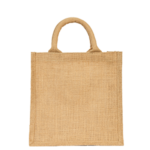
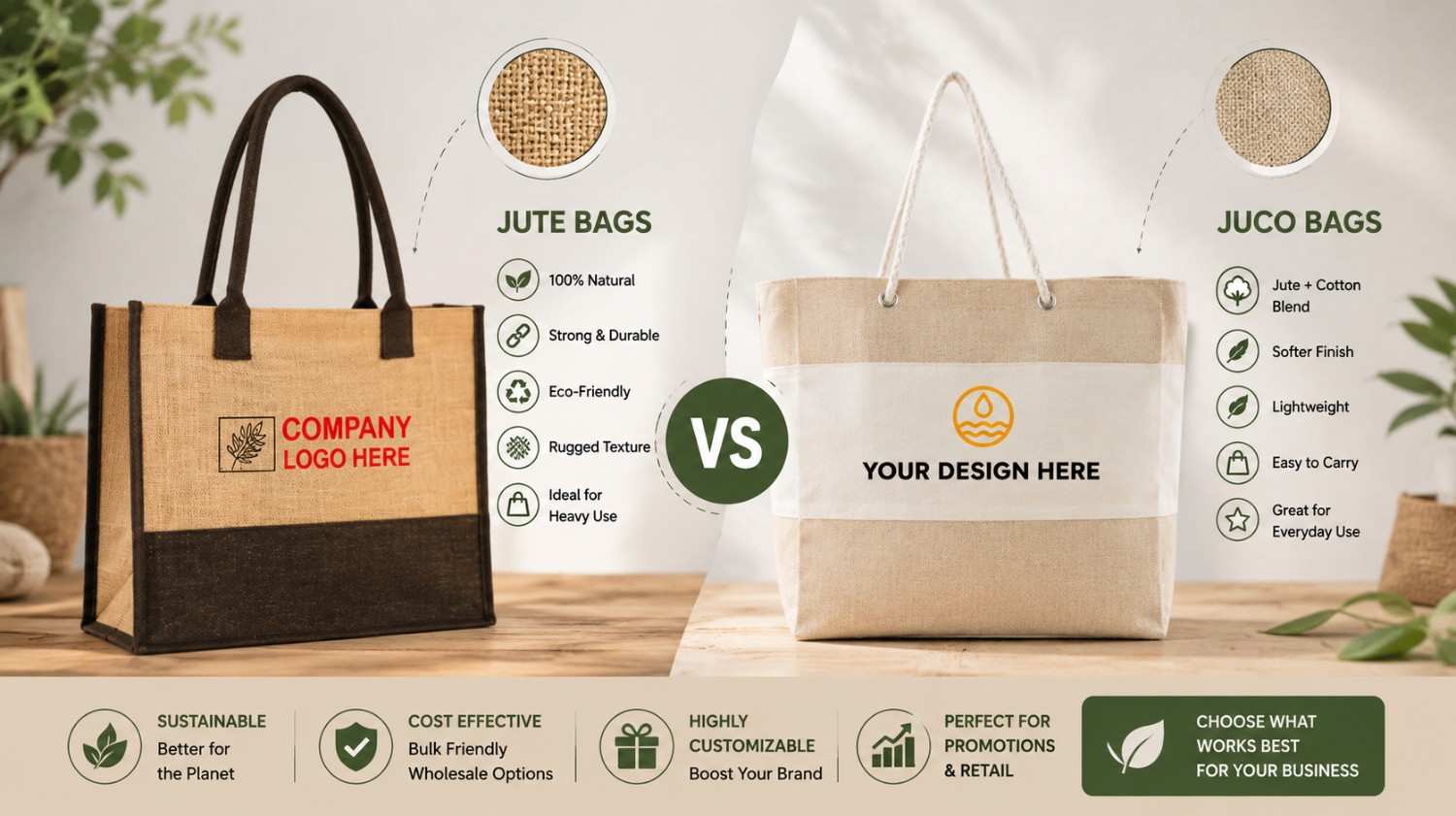
Jute bags are made primarily from natural jute fibre. They are known for their recognizable woven texture, natural appearance, strength, and structured feel. These characteristics make jute shopping bags suitable for grocery retailers, boutiques, gift shops, specialty stores, promotional campaigns, and brands looking for a natural presentation.
The texture of jute is generally more rustic than cotton-based materials. This can actually become a branding advantage for businesses that want their packaging to communicate a natural, traditional, or earthy character.
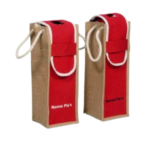
Jute is also commonly selected when durability and structure are important. Its firm construction makes it suitable for carrying shopping items, groceries, bottles, gifts, and other products.
What Are Juco Bags?
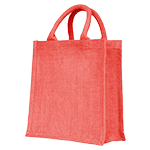
Juco is a blend of jute and cotton. The exact ratio can vary between manufacturers, so businesses should confirm the fabric composition before placing an order. The cotton component generally creates a smoother surface, while the jute contributes structure and the characteristic natural appearance.
This combination makes juco bags an appealing option for retailers that want the natural look of jute but prefer a softer and more refined surface.
Juco is particularly useful for branded retail bags, premium gift packaging, fashion businesses, promotional applications, and companies where detailed logo presentation is important.
Jute vs Juco: Understanding the Main Difference
The most noticeable difference is texture. Jute typically has a more pronounced, coarse woven appearance, while juco has a smoother and softer feel because of its cotton content.
This difference also affects branding. Jute works particularly well with bold logos and straightforward designs, whereas the smoother surface of juco can make more detailed branding easier to reproduce. Industry comparisons commonly describe juco as offering improved printability compared with untreated jute.
The visual character is another important consideration. Jute creates a traditional and natural appearance, while juco can provide a more polished retail presentation without losing the natural-fibre aesthetic.
Which Bag Is More Durable?
Both materials can provide durable reusable bags, but the final performance depends on fabric weight, weave, construction, handles, stitching, dimensions, and intended application.
Jute is naturally known for its strength and structured construction, making it a strong choice for shopping bags that need to carry heavier products. Juco can also provide good durability while offering a softer hand feel.
Rather than selecting a material based only on its name, retailers should consider the complete bag specification. A well-constructed bag with appropriate fabric weight and reinforced handles can perform much better than a poorly constructed bag made from an otherwise suitable material.
Which Bag Is Better for Branding?
For businesses focused on custom printed shopping bags, the choice often comes down to the design and the desired visual finish.
Jute has a distinctive surface that works well with simple, bold branding. Its natural texture can become part of the overall visual identity, particularly for brands that want an organic or rustic presentation.
Juco provides a comparatively smoother surface, making it attractive for businesses that want more refined logo placement and detailed branding. This is one reason juco is frequently positioned for premium retail and promotional applications.
If your brand identity depends on fine visual details, ask your supplier for a print sample before finalizing your bag specification.
Which Is Better for Retailers?
There is no universal winner because different retailers have different requirements.
A grocery store or specialty food retailer that wants a strong, structured shopping bag may prefer jute. A boutique or gift retailer looking for a smoother premium appearance may prefer juco.
Fashion retailers can also benefit from juco because its refined surface can complement modern branding. Meanwhile, businesses with a natural, rustic, or traditional visual identity may find that pure jute fits their brand more naturally.
The most suitable choice should therefore be based on the customer’s experience rather than simply choosing the material with the lowest price.
Jute vs Juco for Sustainable Packaging
Both jute and juco are based on natural fibres. Jute is a plant-derived fibre, while juco combines jute with cotton. Reusability is an important part of the value proposition because customers can continue using these bags for shopping, storage, gifting, or everyday activities.
For brands developing sustainable packaging solutions, the material should be considered alongside the complete product lifecycle, including manufacturing, durability, expected reuse, printing, transportation, and end-of-life considerations.
It is also important for businesses to avoid making broad environmental claims without verifying the specific materials and manufacturing processes used for their bags.
Which Bag Offers Better Value?
Price can vary considerably depending on fabric composition, dimensions, GSM, handles, printing, stitching, finishing, customization, and order specifications. Jute is often positioned as a cost-effective option, while juco can command a higher price because of its blended construction and refined surface.
However, the lowest initial price is not necessarily the best business decision. Retailers should consider how the bag looks, how customers use it, how well the branding performs, and how long it is expected to remain useful.
A slightly more refined bag may create a stronger customer impression and support premium positioning, while a straightforward jute bag may be the better choice for practical retail packaging.
Jute or Juco: Which Should You Choose?
If your priority is strength, structure, natural texture, and practical retail packaging, jute can be an excellent choice.
If your priority is a smoother surface, refined appearance, detailed branding, and a premium natural-fibre presentation, juco may be the better option.
For retailers and businesses serving customers in Canada and the USA, both materials can support a strong reusable packaging strategy. The key is matching the bag to your products, customer expectations, branding style, and intended use.
Why Choose Eco Jute Bags?
Eco Jute Bags provides jute and juco bag solutions for retailers, boutiques, gift shops, grocery businesses, promotional companies, and other commercial customers. With natural-fibre options and customizable designs, businesses can select bags that align with their branding and packaging requirements.
Whether you need the structured character of jute or the smoother finish of juco, Eco Jute Bags can help businesses create reusable packaging designed around their products and brand identity. For companies targeting customers across Canada and the USA, selecting the right bag material can support stronger presentation, practical functionality, and memorable brand experiences.
Frequently Asked Questions (FAQs)
1. What is the difference between jute and juco bags?
Jute bags are primarily made from jute fibre, while juco bags combine jute and cotton. Juco generally has a smoother and softer surface, while jute has a more textured and rustic appearance.
2. Are jute bags stronger than juco bags?
Jute is known for its strong and structured construction. Juco can also be durable, but actual performance depends on fabric weight, weave, stitching, handles, and overall bag construction.
3. Are juco bags good for custom printing?
Yes. The cotton component generally gives juco a smoother surface, which can make detailed branding and logo printing easier than on untreated jute.
4. Which is better for retail shopping bags, jute or juco?
Both can work well. Jute is suitable for businesses prioritizing strength and a natural texture, while juco can be a better choice when a smoother, more refined retail appearance is important.
5. Are jute and juco bags reusable?
Yes. Both can be designed as reusable shopping, retail, promotional, and gifting bags. Their practical lifespan depends on construction, material weight, handling, and intended use.
6. Which bag is better for premium branding?
Juco can be particularly suitable for premium branding because its smoother surface provides a more refined appearance and can support detailed logo presentation. Jute can also create premium branding when a natural, rustic aesthetic is part of the brand identity.
7. Can Eco Jute Bags provide jute and juco bags for businesses?
Yes. Eco Jute Bags offers jute and juco bag options for businesses seeking reusable, customizable packaging solutions for retail, gifting, promotional, and other commercial applications.