 +1 6477167664




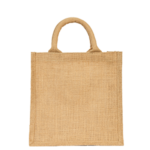
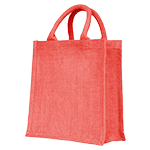
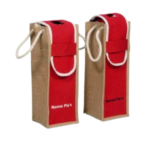
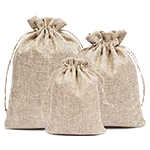




Jute bags have become one of the most preferred packaging and shopping solutions for businesses and consumers who value quality, durability, and sustainability. Their natural appearance, excellent strength, and reusable design make them suitable for retail stores, fashion brands, grocery businesses, corporate gifting, promotional events, and everyday shopping.
Many people use jute bags regularly but are curious about how they are actually made. The manufacturing process combines natural fibers with skilled craftsmanship and modern production techniques to create strong, attractive, and long-lasting bags.
Understanding how jute bags are produced helps businesses appreciate the quality behind every finished product and explains why they continue to grow in popularity across Canada, the USA markets.
What Is Jute?
Jute is a natural plant fiber known for its strength, flexibility, and biodegradable properties. It is one of the most widely used natural fibers in the world because it offers excellent durability while maintaining a soft, natural texture.
The fibers are ideal for manufacturing reusable shopping bags, promotional bags, tote bags, gift bags, wine bags, grocery bags, and many other products that require long-lasting performance.
Its golden appearance has earned jute the nickname “Golden Fiber,” making it one of the most recognized natural textile materials available today.
Harvesting the Natural Fiber
The journey of every jute bag begins with carefully grown jute plants. Once the plants reach maturity, they are harvested and prepared for fiber extraction.
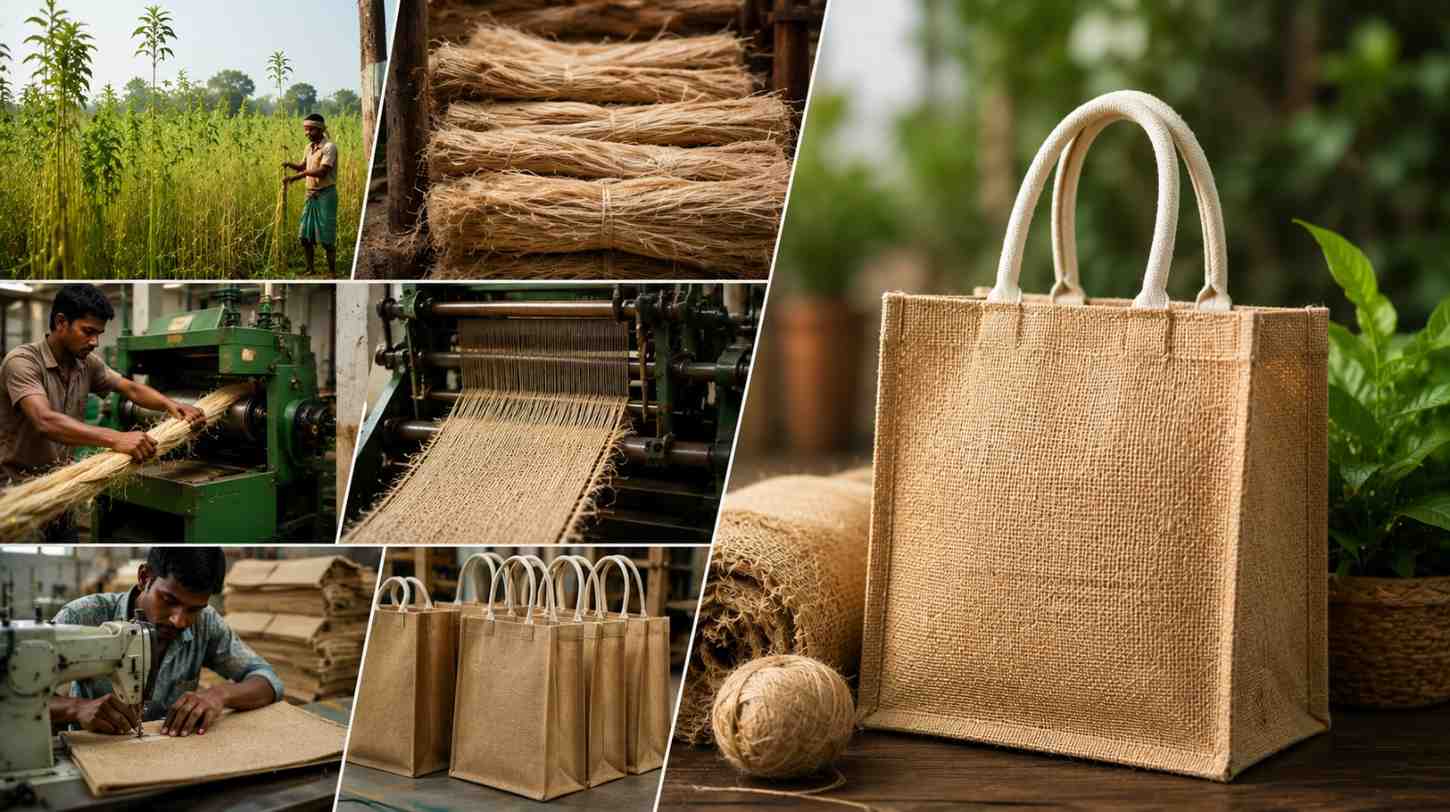
The harvested stalks are bundled and soaked in clean water for several days. This natural process softens the plant material and separates the valuable fibers from the woody stems. Skilled workers then remove the fibers by hand before thoroughly washing and drying them under natural conditions.
Proper drying is essential because it preserves the strength, flexibility, and quality of the fibers before they move into manufacturing.
Cleaning and Preparing the Fibers
After drying, the fibers undergo cleaning to remove dust, impurities, and uneven strands. High-quality fibers are selected to ensure the finished fabric has consistent strength and texture.
The fibers are then combed and aligned into long continuous strands. This preparation improves the spinning process and produces stronger yarn for weaving.
Careful fiber preparation plays an important role in producing premium-quality jute bags that meet commercial standards.
Spinning the Jute Yarn
The prepared fibers are spun into yarn using specialized spinning equipment. During this process, multiple fibers are twisted together to create strong threads suitable for weaving.
The thickness of the yarn depends on the intended bag design. Heavy-duty shopping bags require thicker yarn, while fashionable tote bags often use finer yarn for a smoother finish.
Consistent spinning ensures the woven fabric remains durable and attractive throughout its lifespan.
Weaving the Fabric
The spun yarn is transferred to weaving machines where individual threads are interlaced to create durable jute fabric.
Different weaving patterns produce fabrics with varying textures, thicknesses, and appearances. Some bags require lightweight woven material for everyday shopping, while others use heavier fabric designed to carry larger loads.
Modern weaving technology allows manufacturers to produce uniform fabric while maintaining the natural beauty of jute.
Laminating and Finishing
Depending on customer requirements, manufacturers may apply additional finishing processes to improve appearance and functionality.
Softening treatments make the fabric smoother, while optional inner linings improve structure and moisture resistance. Premium finishing enhances print quality, making logos and artwork appear sharper on customized bags.
These finishing techniques also improve durability and help maintain the bag’s appearance after repeated use.
Cutting and Stitching
Once the fabric is ready, it is carefully cut according to the required bag dimensions.
Experienced production teams stitch each panel together using reinforced seams designed to withstand daily use. Strong handles are attached securely, ensuring comfortable carrying and long-lasting performance.
Precision stitching is one of the most important stages because it directly affects the strength and lifespan of every finished bag.
Printing and Customization
Many businesses choose customized jute bags to promote their brand.
Advanced printing techniques allow company logos, promotional artwork, product information, and creative designs to be added with excellent clarity.
Businesses across retail, fashion, hospitality, events, and corporate sectors use customized jute bags to increase brand visibility while offering customers practical reusable products.
Custom printing transforms every bag into a powerful marketing tool that continues promoting the business wherever it is carried.
Quality Inspection
Before shipment, every bag undergoes detailed quality inspection.
Manufacturers check stitching quality, handle strength, printing accuracy, dimensions, finishing, and overall appearance. Only products meeting quality standards proceed to packaging and delivery.
This careful inspection ensures customers receive reliable products suitable for daily commercial use.
Why Businesses Choose Premium Jute Bags
Businesses appreciate jute bags because they combine attractive appearance with excellent durability. Their reusable design provides long-term value while enhancing brand image through sustainable packaging.
Retailers, grocery stores, boutiques, gift shops, promotional companies, and corporate organizations continue investing in customized jute bags because they improve customer experience and increase brand recognition.
With growing environmental awareness, premium jute bags remain one of the smartest packaging choices for businesses serving customers across Canada, the USA .
Conclusion
The journey from natural jute fiber to a finished shopping bag involves careful harvesting, fiber preparation, spinning, weaving, stitching, customization, and quality inspection. Every stage contributes to creating a durable, stylish, and reusable product that serves businesses and customers for years.
High-quality manufacturing ensures that each bag delivers strength, functionality, and visual appeal while supporting modern sustainability goals.
Eco Jute Bags specializes in manufacturing premium customized jute bags for retailers, promotional companies, fashion brands, grocery businesses, corporate organizations, and gift shops. Serving Canada, the USA Eco Jute Bags delivers expertly crafted reusable bags that combine quality, customization, and long-lasting performance.
Frequently Asked Questions (FAQs)
1. What are jute bags made from?
Jute bags are made from natural jute fibers that are harvested, cleaned, spun into yarn, woven into fabric, and stitched into durable reusable bags.
2. How long does it take to manufacture a jute bag?
The production time depends on the bag style, customization, and order size, but every bag follows multiple stages from fiber preparation to final quality inspection.
3. Can jute bags be customized?
Yes. Jute bags can be customized with company logos, artwork, colors, and branding using professional printing techniques.
4. Are jute bags durable?
Yes. High-quality jute bags are designed for repeated daily use with reinforced stitching and strong handles.
5. Which industries commonly use jute bags?
Retail stores, grocery businesses, fashion brands, gift shops, promotional companies, hospitality businesses, and corporate organizations frequently use customized jute bags.
6. Does Eco Jute Bags manufacture customized jute bags?
Yes. Eco Jute Bags manufactures premium customized jute bags with professional printing, durable materials, and excellent craftsmanship for businesses.
7. Which countries does Eco Jute Bags serve?
Eco Jute Bags proudly supplies premium jute bags to businesses across Canada, USA .